

In the next few blogs I will attempt to explain the rather complex subject of VOC’s in coatings and what they mean to the coatings applicator and end-user.
Volatile organic compounds (VOCs) are organic chemicals that have a high vapor pressure at room temperature. In simple terms, these materials are most commonly known as solvents. These materials evaporate at room temperature; some slow and some very rapidly.
VOCs include both human-made (anthropogenic) and naturally occurring chemical compounds. Anthropogenic VOCs are regulated by law, especially indoors, where concentrations are the highest. Harmful VOCs typically are not acutely toxic, but can have compounding long-term health effects.*
A major source of man-made VOCs are protective coatings, especially paints and polymer coatings. These materials, (solvents) are used in coatings primarily to redu ce viscosity enabling them to be more easily applied. Approximately 3 billion gallons of paints are produced annually. Typical solvents are aliphatic and aromatic hydrocarbons, ethyl acetate, glycol ethers, xylene, toluene and acetone. Motivated by cost, environmental concerns, and regulation, the paint and coating industries are increasingly shifting away from solvent based coating technologies and earnestly trying to develop water-based or solvent-free technologies that are acceptable to the applicator and perform functionally as well or better than their solvent based counterparts.
To many people, VOC’s simply refer to the amount of “solvent” in a coating. It is also commonly understood that many states, counties and even municipalities have different VOC rules for coatings. Complicating this, there are different rules for various types of coatings. Simply put, there are very few instances where one rule applies to all types of coatings. For example, a state may have very different rules for coatings applied within the same facility. A coating that is used, for example, to coat a machine may be very different for the ones coating a floor and so forth. It is important to understand each coating’s VOC content classification, its designed and intended use, and how that is regulated by VOC laws. These classifications are extremely important for the contractor and end user to understand so that they are not subject to violation.
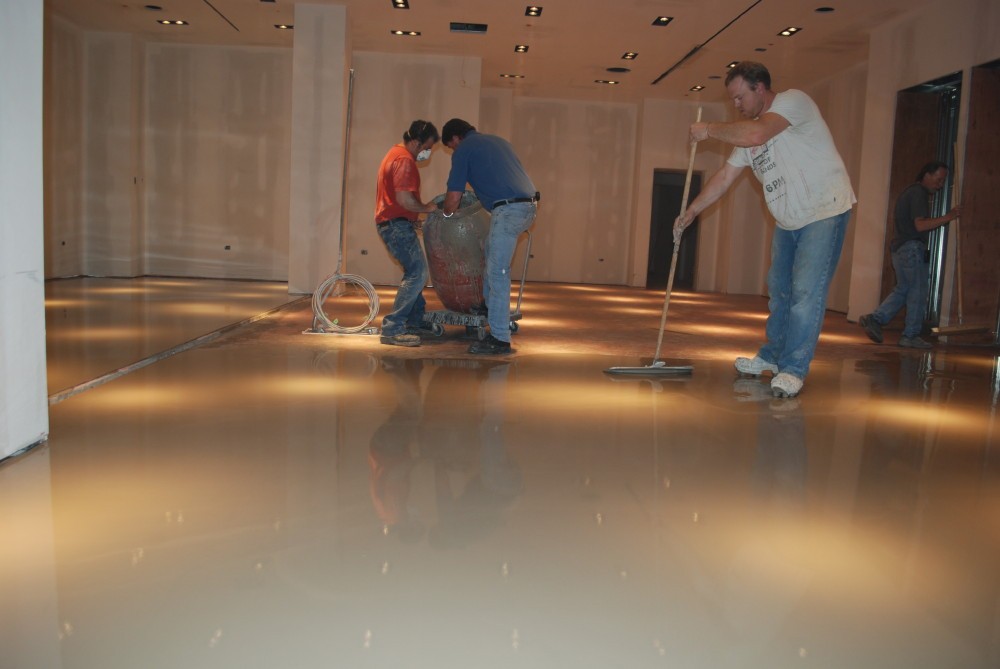
Before applying a coating in any facility, it is paramount that you first check the manufacturer’s published data on the VOC content for the product and also be aware of the laws that govern the city, state or county regarding VOCs.
In future blogs we will be going into further depth on this subject to help our customers and end users gain a better and practical knowledge of this complicated subject.
Protective Industrial Polymers manufactures a number of VOC-compliant polymer floor coatings for use in areas where VOC content is stringently regulated. To learn more, please visit www.protectpoly.com.
*Source: Wikipedia

- Industrial Flooring Moisture Control: Challenges and Proven Solutions - February 19, 2026
- Troubleshooting Polyurethane Floor Problems: Causes and Corrective Solutions - February 18, 2026
- Concrete Floor Preparation: Best Practices for Long-Lasting Coatings - January 29, 2026
