
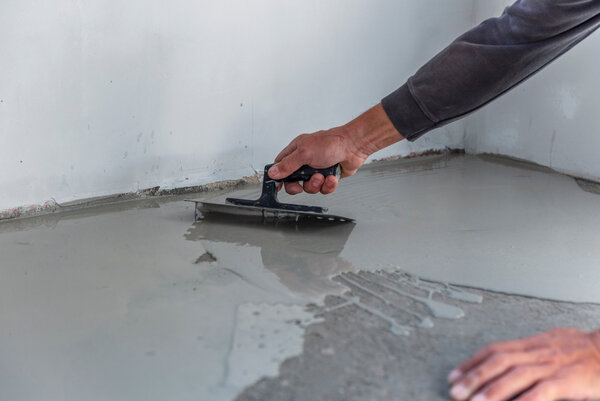
When it comes to industrial and commercial flooring, the stakes are high. The right floor can mean the difference between years of reliable performance or thousands in unexpected repair. The floor material that’s earned its reputation in harsh environments is urethane. While it’s not always the flashiest option, urethane flooring quietly provides chemical resistance and long-term durability, which is what matters most.
Why chemical resistance matters
Whether it’s a manufacturing plant, pharmaceutical facility or food processing line, chemical exposure is a constant hurdle. It doesn’t matter if it’s spills, leaks or cleaning agents; they all take a toll. Traditional flooring materials, such as tile or bare concrete, don’t hold up well under that kind of pressure. Over time, aggressive substances break down unprotected surfaces, leading to cracks, corrosion and expensive downtime.
This is where urethane comes in. Unlike many other floor coatings, urethane systems are designed to withstand a wide range of harsh chemicals, including acids, alkalis, solvents and even oils. The result is a safer, more stable surface that maintains its integrity under stress.
Built for the long haul
Durability is all about ensuring that your floors remain functional and compliant in the long term, even in high-traffic, high-load environments. Urethane flooring systems are known for their elasticity and impact resistance, which makes them less prone to cracking or chipping than rigid epoxy or concrete surfaces.
Urethane also handles thermal shock better than most other coatings. That means when you’re dealing with hot washdowns, steam or rapid temperature changes, urethane won’t buckle under pressure. For facilities that operate around the clock, that kind of reliability means significant cost savings over time.
The science behind urethane’s strength
Urethane’s performance comes down to its chemical structure. These coatings are formulated with flexible, tightly crosslinked polymers that provide toughness and adaptability. In many systems, urethane is combined with cementitious components, creating urethane cement—a hybrid that elevates durability to the next level.
These flooring systems can withstand everything from forklift traffic to caustic spills without breaking a sweat. Since they bond well to other concrete substrates, they help to protect the structural integrity of your facility from the ground up.
Versatility of urethane
Urethane floors, while being chemically resistant and durable, are also aesthetically versatile, with options such as slip-resistant textures, high-gloss finishes and custom color blends. This means you can get a floor that performs and still looks sharp, whether it’s in a warehouse or a customer-facing production area.
When it’s properly installed, urethane systems are low-maintenance and easy to clean, which helps maintain a hygienic workspace with minimal effort.
Conclusion
When your facility requires a floor that can withstand constant exposure to chemicals, heavy equipment and temperature extremes, all while remaining low-maintenance and clean, urethane flooring delivers it all. Its unique combination of chemical resistance, durability and design flexibility makes it one of the most reliable and cost-effective choices.
Choosing urethane flooring isn’t just about protecting your surface; it’s about protecting your operations, your employees and your bottom line. For industries where performance and longevity aren’t optional, urethane is the quiet, hardworking material that consistently gets the job done.
We want to help you find the perfect urethane solution for your facility and answer any questions that you may have. Contact us for a consultation today.

- Industrial Flooring Moisture Control: Challenges and Proven Solutions - February 19, 2026
- Troubleshooting Polyurethane Floor Problems: Causes and Corrective Solutions - February 18, 2026
- Concrete Floor Preparation: Best Practices for Long-Lasting Coatings - January 29, 2026
