
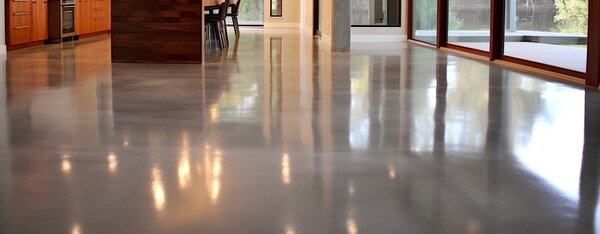
Flooring has always been the foundation of great design, but today, it’s more than just a surface to walk on. Custom decorative flooring has evolved into an expressive design element that defines how a space looks, feels and functions. From intricate patterns to sophisticated polishes, every choice contributes to the story that a space tells.
The power of a well-designed floor
A floor can instantly set the tone of an environment. It can energize a retail showroom, add polish to a corporate lobby or bring warmth to a hospitality setting. The right decorative system blends visual appeal with practical performance, ensuring durability doesn’t come at the expense of style.
Modern polymer systems make it possible to create endless color blends, metallic effects, embedded logos and textural finishes that mirror natural materials. These options allow designers and facility managers alike to create flooring that not only stands up to daily wear but also reflects the space’s personality.
Patterns that define personality
Patterns are the language of decorative flooring. They can guide movement through a room, delineate zones within an open layout or simply add depth and visual rhythm. Bold geometric designs convey precision and energy, while softer, organic patterns evoke a sense of calm and flow.
Choosing a pattern isn’t just about aesthetics; it’s about how people interact with the environment. In high-traffic or task-oriented areas, patterns can help subtly organize space. In client-facing or hospitality environments, they enhance atmosphere and elevate the brand experience.
Texture plays an equally important role. Flake and quartz systems add dimension and traction, while smooth metallic finishes deliver a luxurious, mirror-like effect. Each design choice becomes part of how the space feels underfoot and how it’s remembered.
Finishes that elevate function
A decorative floor’s polish or finish does more than define its sheen. It influences light reflection, safety and maintenance. A high-gloss finish amplifies light and gives a modern, high-end feel, while a matte or satin finish creates a more understated, contemporary aesthetic.
Beyond looks, the right finish supports the demands of the space. Slip resistance, antimicrobial protection and static control can all be built into modern coating systems without compromising visual appeal. In this way, the polish becomes the bridge between beauty and practicality, delivering performance that lasts as long as the design’s impact.
Designing for the space itself
No two spaces are the same, and decorative flooring should reflect that. A thoughtful design process starts with understanding how the space functions day to day: what kind of traffic it supports, how light moves through it and what message it’s meant to send.
In larger, open areas, expansive patterns or dynamic metallic effects can make a statement. Smaller rooms often benefit from subtler color transitions and delicate textures that don’t overwhelm. Lighting also plays a role: glossy floors can enhance brightness, while matte surfaces absorb light, creating warmth.
Practicality should always accompany design ambition. A beautifully polished surface still needs to be easy to maintain, safe underfoot and resilient enough for its environment. The best decorative floors marry design creativity with technical integrity.
Conclusion
Decorative flooring has become one of the most versatile tools in modern design. It brings color, texture and energy into a space without sacrificing the structural qualities a surface must deliver. Whether it’s an elegant metallic swirl in a hotel lobby or a textured quartz blend in a production facility, the right pattern and polish can completely transform how a space feels and how it functions.
Thinking about a decorative flooring project? Contact us for a consultation to discuss patterns, finishes and systems that will make your space stand out.

- Industrial Flooring Moisture Control: Challenges and Proven Solutions - February 19, 2026
- Troubleshooting Polyurethane Floor Problems: Causes and Corrective Solutions - February 18, 2026
- Concrete Floor Preparation: Best Practices for Long-Lasting Coatings - January 29, 2026
