
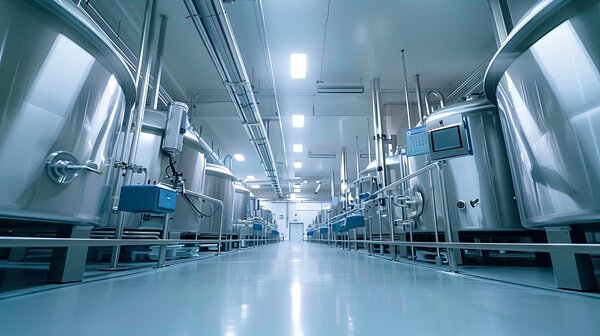
When you think about food safety, the first thing that probably comes to mind isn’t the floor. But in a food or beverage plant, the floor plays a bigger role than most people realize. From constant washdowns and heavy traffic to temperature swings and chemical spills, the conditions are brutal. The right flooring system doesn’t just make the facility look clean—it helps keep it that way.
That’s where urethane flooring comes in.
The harsh reality beneath your feet
Floors in food and beverage environments take daily abuse that would destroy most surfaces. Hot water, steam cleaning, spilled oils, acids and sugars—it’s the perfect storm for wear and corrosion. Add in forklift traffic, heavy equipment and long production hours, and you’ve got a recipe for cracks, delamination and sanitation headaches.
Any weak spot in that floor can trap bacteria or compromise compliance with USDA, FDA or HACCP standards. For facility managers, that’s not just a nuisance; it’s a risk to product quality and safety.
What makes urethane flooring different
Urethane flooring systems are designed to withstand the extremes of food and beverage production. Unlike traditional epoxy floors, which can become brittle under temperature swings, urethane systems are flexible and forgiving. They handle thermal shock from boiling water one minute and freezer temps the next without cracking or peeling.
These floors are built as seamless, monolithic systems, meaning no grout lines or joints where bacteria can hide. Whether it’s a urethane concrete mortar or a high-performance urethane coating, the result is a tough, chemical-resistant surface that’s easy to clean and maintain.
Real-world benefits
1. Handles heat and cold: Urethane flooring can take sudden temperature changes without warping or breaking down. That makes it ideal for areas that experience frequent washdowns or house both hot processing lines and cold storage zones.
2. Chemical resistance: Cleaning agents, acids, oils and sugary residues can eat through ordinary coatings. Urethane’s chemical resilience keeps the surface intact and non-porous, even after years of exposure.
3. Seamless, hygienic surface: With a smooth, joint-free design, urethane floors make it easier to meet sanitation standards. There are no crevices for microbes to grow, and cleanup takes less time, a win for maintenance crews and inspectors alike.
4. Tough under traffic: Heavy foot traffic, rolling carts and forklifts are no problem. These floors are engineered for impact and abrasion resistance, holding up to years of production cycles without losing integrity.
5. Safer underfoot: Slip-resistant textures can be added where moisture or grease are common, helping reduce workplace accidents.
6. Long-term value: While the upfront cost may be higher than some coatings, urethane systems last longer and need fewer repairs, saving downtime and replacement costs in the long run.
What to know before installing
Even the best flooring system needs the right preparation. Before installing urethane, it’s critical to assess the substrate and test for moisture levels. Any cracks or damaged areas should be repaired first to ensure proper bonding.
Plan the installation carefully around production schedules. The last thing anyone wants is downtime that disrupts output or sanitation cycles. An experienced installer will help coordinate timing and cure requirements to minimize the impact on operations.
Conclusion
In floor and beverage production, the floor isn’t just something to walk on; it’s part of the safety system. A urethane floor provides the strength, sanitation and staying power these environments demand.
If you’re current flooring is showing signs of wear, or if you’re planning a new facility build-out, it’s worth exploring a urethane system that’s built to handle everything your process throws at it. Contact us to schedule a consultation or request a site assessment.

- Industrial Flooring Moisture Control: Challenges and Proven Solutions - February 19, 2026
- Troubleshooting Polyurethane Floor Problems: Causes and Corrective Solutions - February 18, 2026
- Concrete Floor Preparation: Best Practices for Long-Lasting Coatings - January 29, 2026
