
Corrosion is a constant battle in industrial facilities. Whether you’re dealing with steel tanks, concrete floors or chemical containment areas, exposure to acids, solvents and moisture can take a serious toll. Left unchecked, corrosion doesn’t just damage equipment. It eats into budgets, causes downtime and creates potential safety risks.
The most effective way to stay ahead of corrosion is through protective coatings. Choosing the right system doesn’t just extend the life of equipment and structures; it protects budgets and operations as well.
What are vinyl ester coatings?
Vinyl ester resins bridge the gap between polyesters and epoxies. They combine the chemical resistance of epoxies with the toughness and flexibility of polyesters, creating a reliable solution for harsh conditions.
These coatings can be applied as thin films, reinforced linings or multi-layer systems with glass or mica flakes. Their adaptability makes them suitable for a wide range of industries and exposure levels.
Key benefits
Vinyl ester coatings deliver several advantages that set them apart from other resin systems:
- Exceptional chemical resistance: Effective against acids, alkalis and many aggressive solvents.
- Durability under mechanical stress: Reinforced systems resist impact, abrasion and thermal cycling.
- Moisture and permeation resistance: Prevent corrosive agents from penetrating steel or concrete.
- Temperature performance: Maintain integrity under elevated heat in both wet and dry service.
- Extended service life: Reduced maintenance and fewer failures translate to long-term cost savings.
Where they’re used
Vinyl ester coatings are common in:
- Chemical processing facilities
- Refineries and petrochemical plants
- Wastewater treatment operations
- Food and beverage rinse areas
- Storage tanks and secondary containment systems
Depending on the formulation, they can also address specialized needs such as electrostatic discharge (ESD) control in flammable storage or static-sensitive environments.
Application considerations
Performance depends heavily on proper installation. Key factors include:
- Surface preparation: Steel typically requires abrasive blasting to white or near-white metal; concrete must be clean, cured and dry.
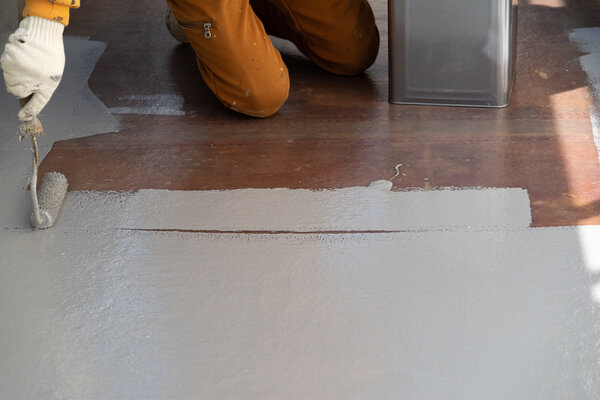
- Application method: Coatings may be spray-applied, rolled, troweled or brushed, depending on the system.
- Environmental conditions: Temperature and humidity directly affect cure times and overall performance.
- Thickness and reinforcement: Systems may range from thin films to 40+ mil flake-reinforced linings, chosen based on exposure.
Maintenance and long-term performance
Installing a vinyl ester coating is only the first step in corrosion protection. To get the longest possible service life, regular inspection and maintenance are important. Facilities should periodically check for signs of wear such as blistering, cracking or discoloration, especially in high-exposure areas.
Small repairs carried out early can prevent larger, more expensive failures down the road. Routine cleaning to remove chemical residues or standing liquids also help preserve the integrity of the coating. With consistent monitoring and proper care, vinyl ester systems can provide reliable protection for many years, keeping assets in service and reducing the need for costly shutdowns.
Conclusion
Corrosion may be unavoidable, but the right protection makes it manageable. Vinyl ester coatings offer a balance of strength, flexibility and chemical resistance that helps facilities keep critical structures and equipment in service longer.
From tanks and containment systems to floors and processing areas, these coatings provide a reliable barrier against some of the toughest industrial challenges. With careful selection and proper application, vinyl ester systems can play a key role in safeguarding operations, reducing unexpected costs and building a stronger foundation for the future.
Every facility faces unique exposure risks. Schedule a consultation today to determine which vinyl ester system is right for your environment.

- Industrial Flooring Moisture Control: Challenges and Proven Solutions - February 19, 2026
- Troubleshooting Polyurethane Floor Problems: Causes and Corrective Solutions - February 18, 2026
- Concrete Floor Preparation: Best Practices for Long-Lasting Coatings - January 29, 2026
